

ARTISTRY SG — Collector & Institution Pathway
- Jan 14
- 5 min read
A publish-ready, step-by-step guide to building an artist whose works appreciate over time


The “blue-chip” dream: what people misunderstand
When artists say, “I want my prices to increase every year,” they usually mean:
stable appreciation (not random spikes)
collector trust (not one-off hype)
institutional credibility (not just popularity)
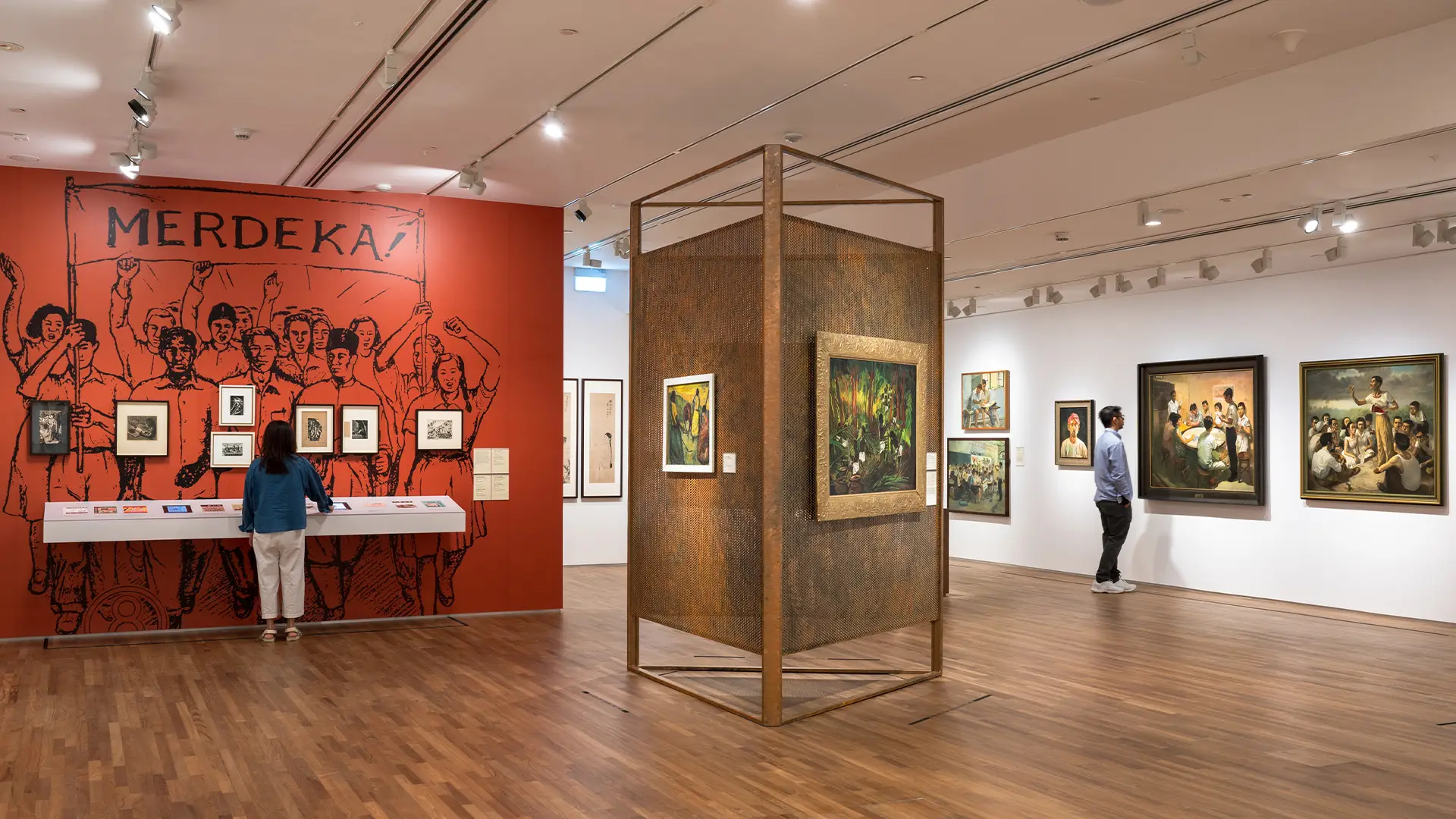
Artists like Yeh Chi Wei, Chua Mia Tee, Lim Tze Peng, Cheong Soo Pieng, Chen Wen Hsi, Liu Kang, Georgette Chen became enduring partly because they were framed as art-historically important, supported by documentation, and validated through exhibitions, scholarship, and national collection pathways (not overnight marketing). National Gallery Singapore’s exhibitions and “National Collection” framing show how these artists are positioned in Singapore’s art narrative.
This blog explains the pathway in a way artists can actually execute.
1) Do you need National Gallery Singapore to collect you?
No. Museum collection is powerful validation, but it is not the only path to price growth.
What truly drives long-term appreciation is a chain of credibility:
coherent practice + public record (exhibitions / writing)
disciplined pricing and supply (no self-undercutting)
strong collector relationships (repeat + referral)
institutional readiness (provenance, authenticity, research value)
Museum acquisition often comes after those foundations exist.
2) What does National Gallery Singapore look for (factual, from their materials)?
National Gallery Singapore states that donated works must align with its acquisition policy and collection strategy, and gifts must be endorsed by the Acquisition Committee and approving authorities.
A published interview about the National Collection process notes that potential acquisitions are rigorously reviewed by curators and an Acquisition Committee comprising external specialists, assessing: alignment with policy/strategy, art-historical significance, provenance, relationship with existing works, potential for display/research, and proposed price.
NGS also has an Art Adoption & Acquisition Programme that enables donors to support acquisitions and adoption of works in the National Collection.
Plain English translation:To be noticed by NGS, an artist must become collectible, documentable, and researchable—not just “well liked”.
3) The ARTISTRY SG Step-by-Step Pathway


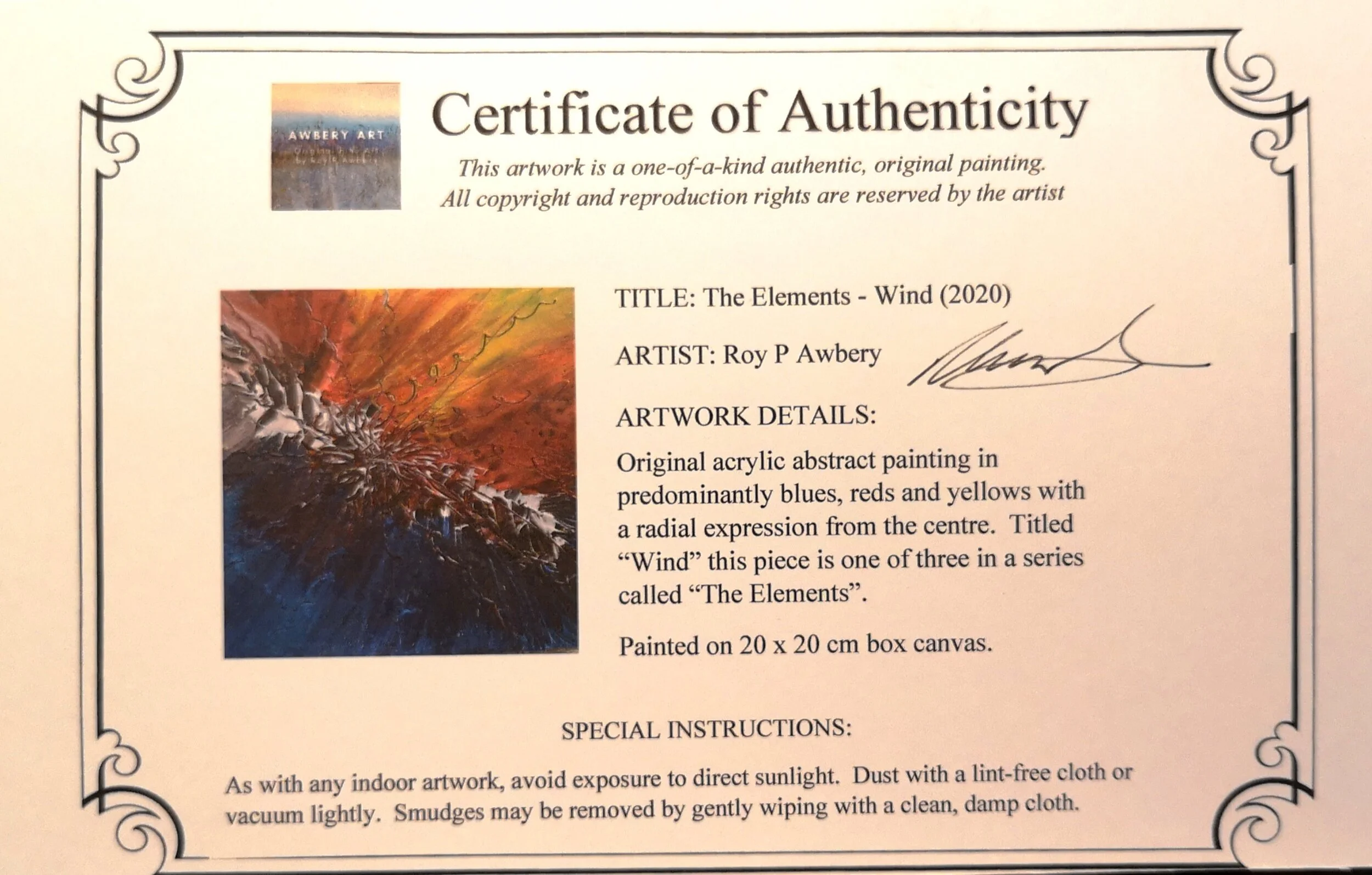


Step 1 — Build a “signature body of work” (12–24 works)
Goal: recognisable identity (the foundation of fame).
Do this
Choose one clear direction (theme + visual language).
Produce 12–24 works that feel like one world.
Keep consistent: size logic, palette discipline, compositional rhythm.
Write a 120-word statement that answers:What is the work about? Why now? Why Singapore/SEA? Why you?
Why it mattersMuseums and serious collectors invest in coherence, because it’s teachable and researchable.
Step 2 — Create “museum-ready documentation” for every artwork (non-negotiable)
Goal: remove buyer doubt and meet institutional standards.
Your Artwork Pack (minimum)
Title / year / medium / dimensions
High-resolution images (front, detail, signature)
Condition notes
Exhibition history (where, when)
Bibliography/press (even small mentions)
Provenance (first sale; later owners if known)
COA with unique ID number
Why it mattersProvenance and research/display potential are explicitly part of acquisition review.
Step 3 — Price discipline (the #1 reason “appreciation” collapses)
Goal: predictable, defendable appreciation.
Rules
Publish a price ladder (Entry / Core / Anchor).
Never undercut privately below your public price list.
Raise prices on a schedule (e.g., annually, small increments).
Limit discounts to clear conditions (and record them).
Healthy ladder example
Entry: works on paper / small studies
Core: your main originals (most sales)
Anchor: 1–2 “statement” works (signals long-term value)
Step 4 — Build a collector pipeline (sales are relationships, not events)
Goal: repeat buyers + referrals (how “fame” really grows).
Pipeline
Discovery (roadshows, fairs, curated pop-ups)
Capture (QR → WhatsApp/email list)
Trust (studio visits, process sharing, story)
Close (payment, delivery, paperwork)
Aftercare (collector updates, previews, invites)
Reality check: Many fair sales are “pre-sold” through collector PDFs sent before opening—relationship work happens ahead of time.
Step 5 — Curated visibility (not “any exhibition”)
Goal: credible public record.
Do fewer, better shows:
curated theme
proper documentation (roomsheets, catalogue PDF, press)
consistent narrative
NGS itself emphasises research, exhibitions, and scholarship as core to how art history is presented and understood.
Step 6 — Institutional readiness (how to be “NGS-noticeable”)
Goal: make curatorial interest possible.
An artist becomes institution-ready when they have:
consistent body of work (Step 1)
provenance/documentation (Step 2)
public record (Step 5)
relevance to Singapore/SEA art story
works that fill a gap or deepen existing narratives
Important: Donation pathways exist, and NGS explicitly invites people to consult them about process/procedures.
Also, supported acquisition pathways exist via the Art Adoption & Acquisition Programme.
4) How galleries help beyond “taking a cut”
A good gallery earns commission by doing things artists can’t easily scale:
What galleries provide (practical)
Collector development: private previews, relationship management
Market governance: protect pricing integrity and avoid oversupply
Institution introductions: curators, advisors, corporate collections
Sales structure: pre-sale PDFs, reserved works, follow-ups
That “pre-sale” culture is a real mechanism of the fair market. And the primary market’s role in establishing first pricing/provenance is widely recognised in art market guidance.
What artists should demand from galleries
written pricing plan
clear marketing commitments
transparency on outreach (without violating collector privacy)
a long-term collector nurturing plan, not just “hang and hope”
5) How ARTISTRY SG can play a part (without being “just another middleman”)
ARTISTRY SG can be the infrastructure layer that makes artists “collector + institution ready”—while galleries remain the “representation layer”.
ARTISTRY SG’s value stack (artist-first)
Documentation system for every member (Artwork Pack templates + COA IDs)
Roadshows as collector funnels (lead capture + follow-up discipline)
Overseas readiness (pricing sheets, authenticity packs, shipping coordination)
Publishing & scholarship (Yearbook: essays/interviews/artist profiles)
Ethical monetisation
membership-first model
admin fees only for logistics
optional success fee only for overseas placements (transparent)
This builds credibility without forcing artists into heavy commissions.
6) A practical “NGS-ready dossier” checklist (copy/paste)
If an artist wants to be taken seriously by institutions:
Artist CV (education, exhibitions, commissions, awards)
12–24 work portfolio (one coherent series)
Artwork Packs for key works (provenance + COA)
One short curatorial essay (800–1200 words)
Press mentions / catalogue PDFs / talks
A clean price history (year-by-year, no chaos)
List of major collectors/institutions (if permitted)
High-res images + captions + contact
7) Resources to read further (credible starting points)
National Gallery Singapore: Donate an Artwork (acquisition alignment + committee endorsement)
National Gallery Singapore: Art Adoption & Acquisition Programme (supported acquisition pathway)
NGS collection development interview (significance, provenance, display/research potential)
Artsy: how pre-sales work at major art fairs (collector PDFs, discretion, relationships)
Artsy: primary market definition and pricing factors
Final note
Becoming “Yeh Chi Wei / Lim Tze Peng tier” is a long game.But the pathway is not mysterious.
It’s a system built from:coherence → documentation → pricing discipline → collector relationships → curated record → institutional readiness.
ARTISTRY SG exists to make that system repeatable for more Singapore artists—without hype.


