
How Artists Can Create Works That Suit Art Fair Vibes —
- Jan 13
- 3 min read
and What Price Ranges Actually Sell
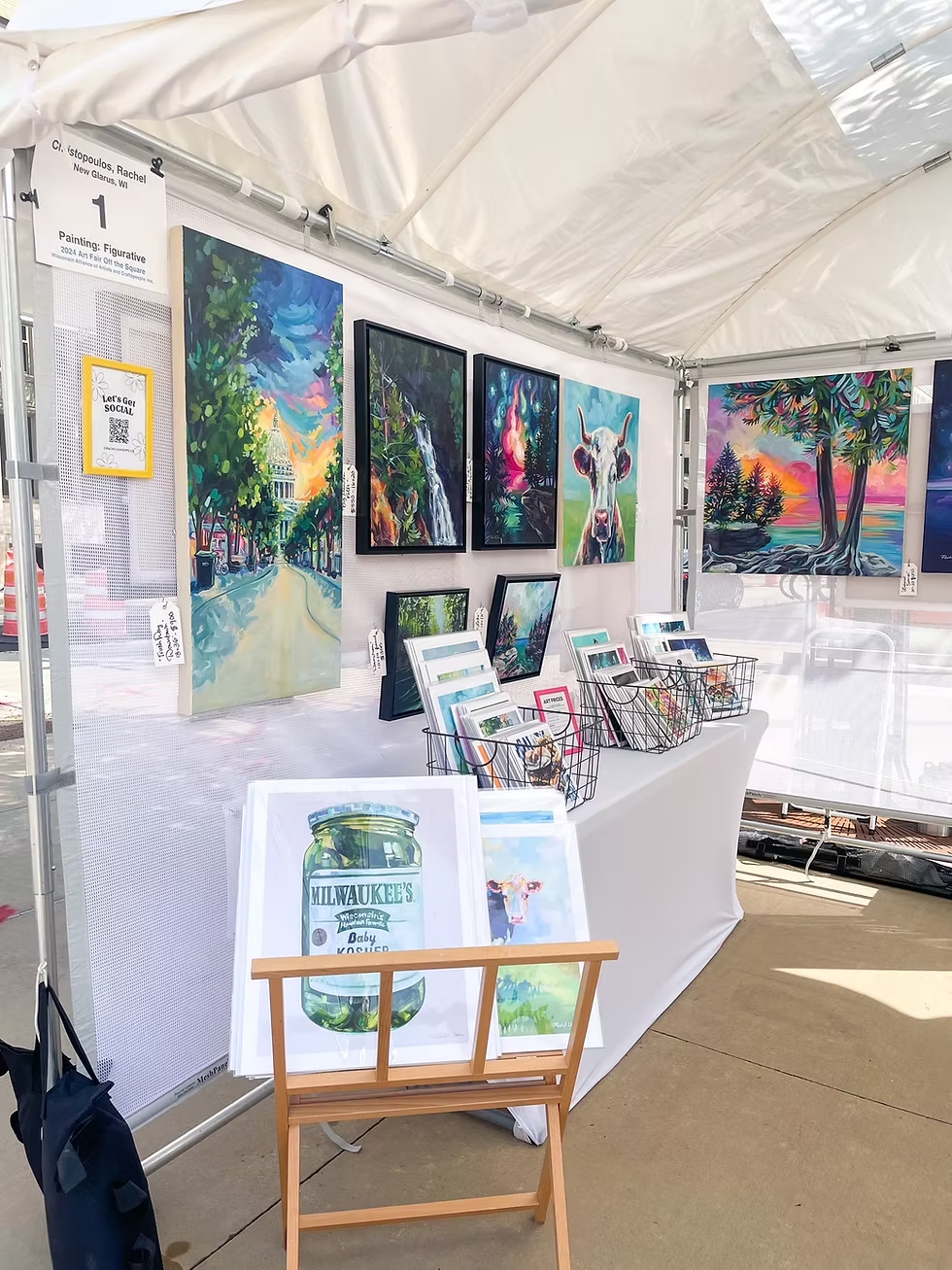

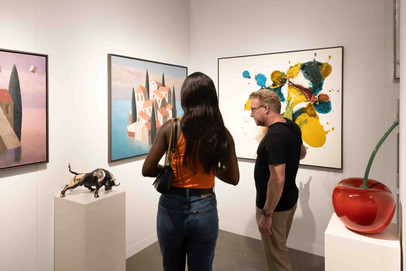
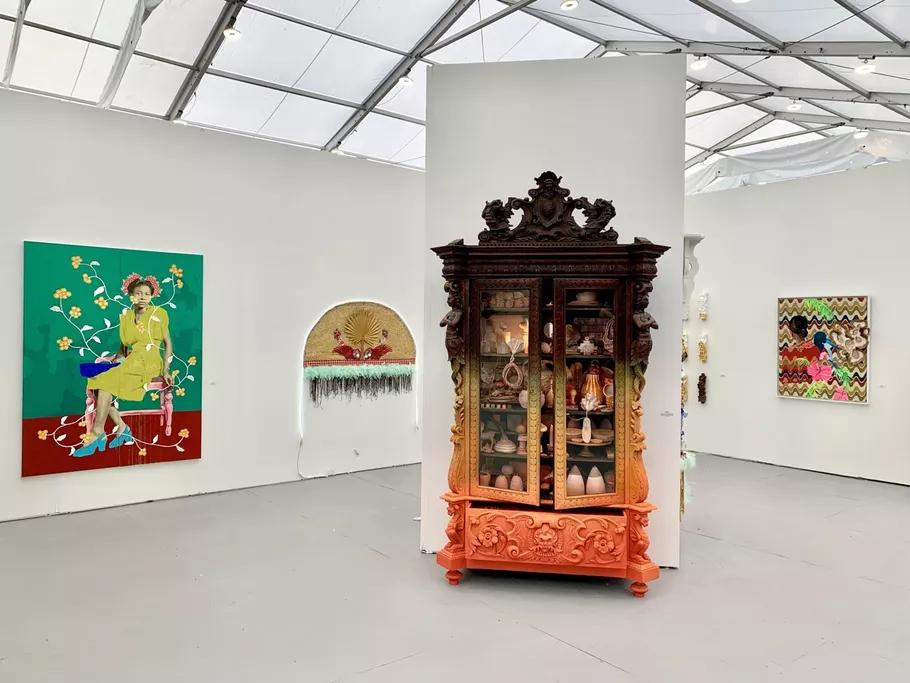


Art fairs are not galleries.
They are not studios.
They are not museums.
An art fair is a high-energy, time-compressed environment where visitors:
See hundreds of works in a few hours
Make fast emotional judgments
Decide whether to stop, engage, or walk away
Artists who do well at art fairs understand one thing clearly:
Art fairs reward clarity, confidence, and accessibility — not compromise of artistic integrity.
1️⃣ What “Art Fair–Suitable” Art Really Means (and What It Doesn’t)
Creating art for art fairs does not mean:
Making decorative work only
Diluting your ideas
Chasing trends blindly
It means translating your practice so it can be understood quickly, without losing depth.
Art Fair–Ready Works Usually Have:
A. Immediate Visual Impact (5–10 Seconds Rule)Visitors decide within seconds whether to stop.
Works that perform well often:
Have strong composition
Clear colour rhythm or form
A focal point that reads from a distance
This doesn’t mean loud — it means legible.
B. A Clear Artistic ThreadSuccessful booths do not look random.
They show:
One coherent body of work
A recognisable style
Consistency in scale or theme
Visitors should be able to say:
“I know who this artist is.”
C. Emotional AccessibilityBuyers at art fairs respond to:
Mood
Memory
Place
Human experience
Conceptual depth is welcome —but it must be felt before it is explained.
2️⃣ The Most Common Mistake Artists Make
They bring:
Their most complex work
Their most experimental work
Their most personal work
…without translation.
Those works belong in:
Studios
Curated exhibitions
Institutional contexts
Art fairs need a bridge between artist and audience.
This is why many experienced artists separate their practice into:
Studio work (deep, slow, personal)
Fair work (clear, collectible, representative)
Both are valid.They serve different purposes.
3️⃣ What Actually Sells at Art Fairs
A. Size Matters (Practically)
Works that sell most consistently:
Small to medium size
Easy to carry or ship
Suitable for apartments and offices
Think:
30 × 30 cm
40 × 60 cm
50 × 70 cm
Large works can sell —but they usually require pre-existing collector trust.
B. Series Sell Better Than Singles
Collectors like:
Continuity
Options
The idea of collecting more than one
Series:
Reduce decision anxiety
Increase repeat purchases
Build long-term relationships
C. A Clear Price Ladder Is Critical
No ladder = no sales.
4️⃣ Ideal Price Ranges That Actually Work (Realistic, Not Aspirational)
These ranges reflect real buying behaviour at regional and international art fairs, especially for emerging to mid-career artists.
🔹 Entry Level (Impulse / First-Time Buyers)
S$300 – S$800
Small originals
Works on paper
Studies or smaller canvases
This range:
Lowers fear
Starts relationships
Creates new collectors
🔹 Mid-Level (Core Sales Range)
S$1,200 – S$3,500
Medium-size originals
Well-resolved works
Most consistent sellers
This is where:
Repeat buyers appear
Serious conversations happen
🔹 Anchor Works (Confidence Builders)
S$5,000 – S$10,000
One or two pieces only
Not expected to sell quickly
Establishes artistic seriousness
Even if these don’t sell immediately, they:
Justify mid-level pricing
Signal long-term value
⚠️ Common Pricing Errors
Everything priced high → no entry point
Everything priced low → no confidence
No explanation of price → confusion
5️⃣ How Artists Can Sell Without Feeling “Salesy”
Sales at art fairs happen through:
Calm explanation
Listening
Presence
Effective artists:
Share why the work exists
Explain materials and process
Let buyers arrive at meaning themselves
Avoid:
Hard selling
Over-explaining
Apologising for prices
Confidence is quiet.
6️⃣ How Roadshows Help Artists Prepare for Art Fairs
This is where platforms like ARTISTRY SG play an important role.
Roadshows allow artists to:
Test which works attract attention
Observe real buyer reactions
Adjust sizes and pricing
Practice talking about work naturally
Roadshows are:
Low-risk
Repeatable
Honest feedback environments
Artists who succeed at roadshows almost always:
Perform better at art fairs
Price more confidently
Communicate more clearly
7️⃣ The Healthy Mindset: Art Fairs Are Not Judgments
An art fair is not a verdict on your worth.
It is:
A market conversation
A visibility platform
A relationship-building space
Artists who last are those who:
Learn from each fair
Refine without resentment
Protect their creative core
Final Thought
Creating work for art fairs is not about changing who you are.
It is about meeting your audience halfway.
When artists:
Present clearly
Price thoughtfully
Engage honestly
Art fairs become:
Income channels
Collector incubators
Stepping stones — not compromises
And when supported by structured platforms and roadshow experience,artists can earn without losing passion —and grow careers that last.


