
How Artists Can Truly Benefit from Art Fairs —
- Jan 10
- 4 min read


Earn Sustainably Without Losing Their Creative Soul(and How Roadshows Can Achieve the Same Effect)
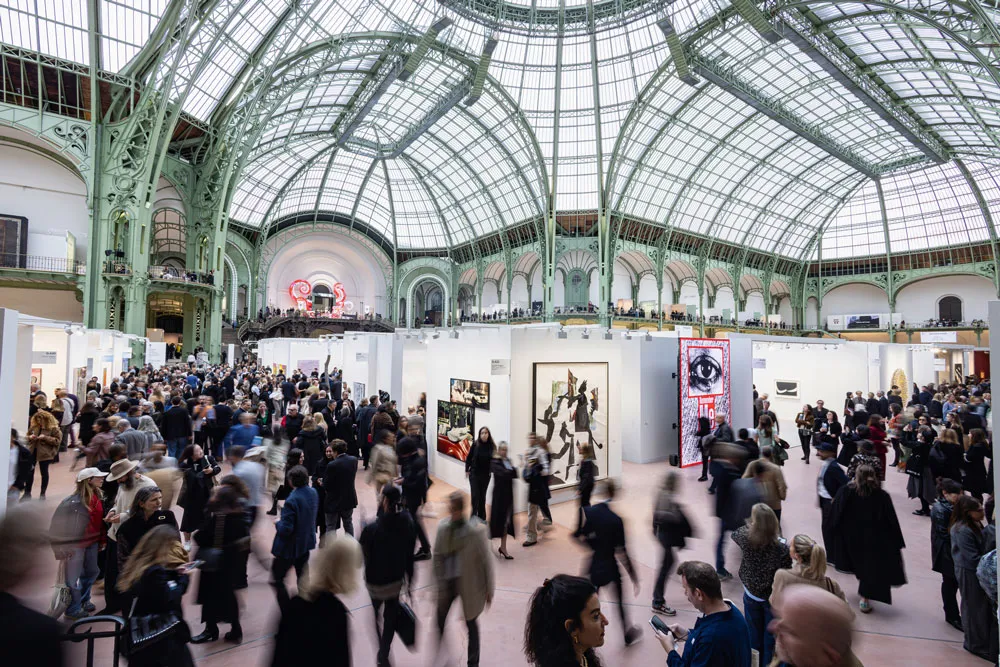
Art fairs are often seen as the “holy grail” of the art world.Collectors attend. Buyers come prepared. Money is expected to change hands.
Yet many artists walk away from art fairs feeling:
Financially strained
Emotionally exhausted
Creatively conflicted
The problem is not art fairs themselves.The problem is how artists approach them.
To make a living through art fairs without sacrificing passion, artists must treat fairs not as a single event — but as part of a long-term system.
Part I: How Artists Can Use Art Fairs to Generate Real Income
1️⃣ Go to Art Fairs With a Strategy — Not Hope
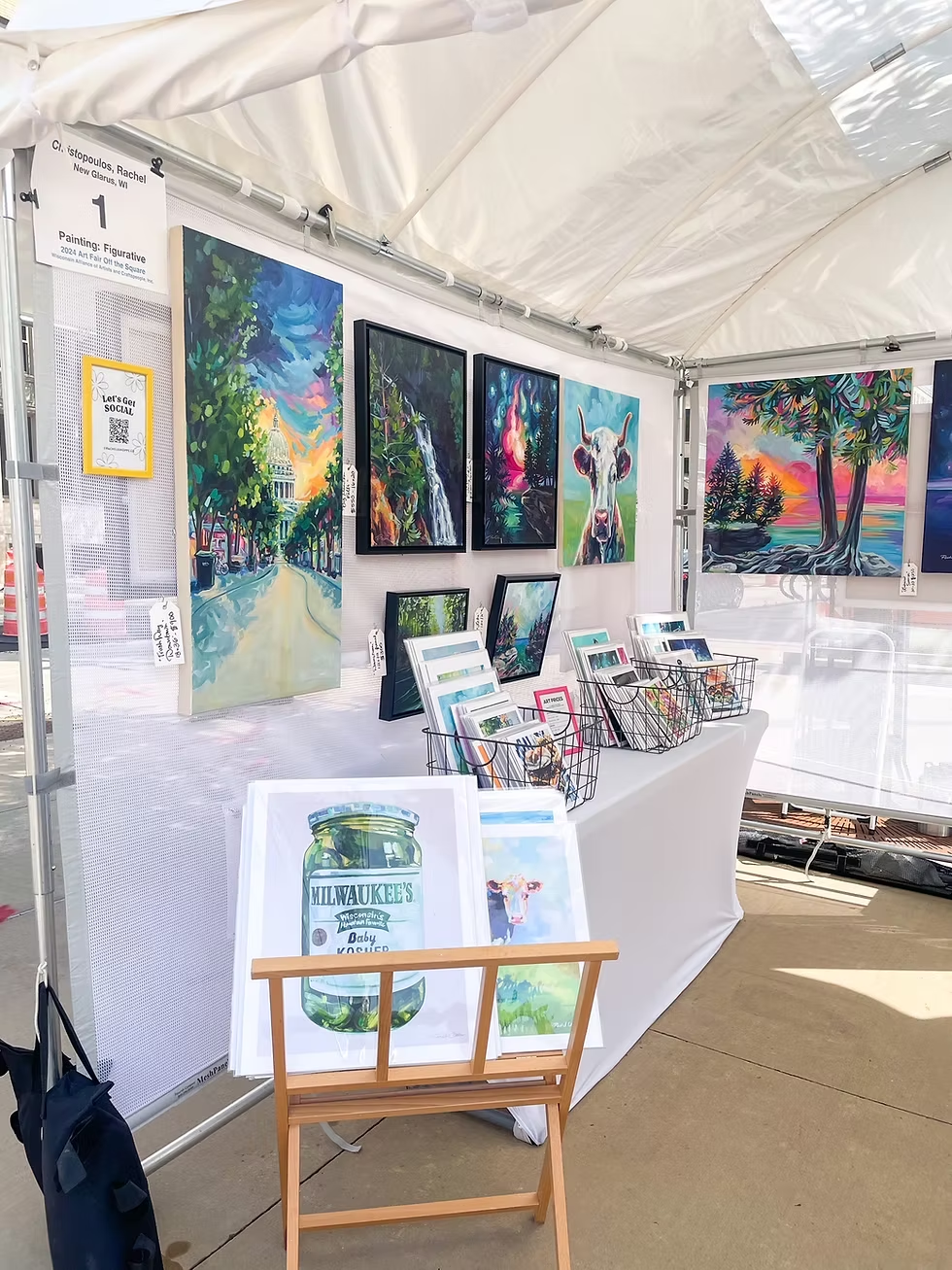
Artists who succeed at art fairs do not bring everything they have.
They bring:
A clear body of work
A recognisable visual language
A price ladder (entry → mid → premium)
A healthy art fair booth usually includes:
Smaller, accessible works (for first-time buyers)
Mid-range works (for repeat collectors)
One or two anchor pieces (for serious collectors)
This allows income to come from multiple levels, not just one big sale.
2️⃣ Understand That Most Sales Are Not Instant
A common misconception:
“If I don’t sell at the fair, I failed.”
In reality:
Many serious collectors buy after the fair
Conversations matter more than transactions
Trust precedes purchase
Successful artists:
Collect contacts
Send follow-ups
Invite studio visits
Maintain relationships
Art fairs are relationship accelerators, not vending machines.
3️⃣ Protect Your Creative Integrity Through Segmentation
Artists do not need to “water down” their art to sell.
Instead, they segment:
Personal / experimental works (studio-focused)
Collectible works (market-facing)
Commission-based adaptations (client-driven)
This allows artists to:
Maintain passion
Stay financially viable
Avoid creative resentment
Collectors respect artists who are clear about this boundary.
4️⃣ Repeat Participation Builds Recognition (and Income)
Art fairs work best over time.
When collectors see an artist:
Year after year
With consistent quality
With visible evolution
Trust forms.
Trust leads to:
Repeat purchases
Referrals
Long-term patronage
This is how art fairs become part of a living, not a gamble.
Part II: The Hidden Cost of Art Fairs (and Why Many Artists Burn Out)
Art fairs are expensive:
Booth fees
Shipping
Travel
Accommodation
Time away from work
Without structure, artists:
Spend heavily upfront
Take all the risk
Absorb all the stress
This is why many talented artists quit fairs altogether.
Part III: How Roadshows Can Achieve the Same Effects as Art Fairs
4
Roadshows are often misunderstood as “less serious” than art fairs.In reality, they can achieve the same goals — sometimes more effectively.
1️⃣ Roadshows Build Trust Faster Than Art Fairs
At roadshows:
Artists speak directly to the public
Conversations are relaxed
There is no “elite barrier”
Buyers who meet artists personally often:
Remember them longer
Feel emotionally connected
Become first-time collectors
This emotional trust is exactly what art fairs try — and often fail — to achieve.
2️⃣ Roadshows Train Artists for Art Fairs
Roadshows help artists learn:
How to explain their work clearly
Which works attract attention
How pricing feels to real buyers
How to read audience behaviour
Artists who do roadshows first:
Perform better at art fairs
Sell more confidently
Communicate more effectively
Roadshows are real-world rehearsal.
3️⃣ Roadshows Reduce Financial Risk
Unlike art fairs:
Costs are shared
Participation is flexible
No international travel is required
Through ARTISTRY SG, artists can:
Test markets safely
Build a buyer base
Generate steady, smaller income
Many small sales over time can equal — or exceed — one risky art fair.
4️⃣ Roadshows Create a Sustainable Sales Pipeline
Roadshows are repeatable.
This allows artists to:
Be seen multiple times
Build familiarity
Convert interest into sales gradually
By the time artists enter art fairs:
They already have collectors
They already understand pricing
They already have confidence
Part IV: The Ideal Model — Roadshows + Art Fairs (Not Either/Or)
The healthiest career path is not choosing one over the other.
It is this:
Roadshows → Trust → Collector Base → Art Fairs → International Growth
Roadshows:
Build foundations
Train communication
Reduce risk
Art fairs:
Scale exposure
Increase price points
Expand internationally
Together, they form a sustainable ecosystem.
Part V: Making a Living Without Losing Passion
Artists burn out when:
Income feels accidental
Sales feel forced
Creation feels compromised
Artists thrive when:
Income is structured
Sales are relationship-based
Creation remains meaningful
Art fairs and roadshows are tools — not measures of artistic worth.
When used correctly:
Artists earn
Collectors trust
Creativity survives
Final Reflection
Making a living as an artist does not require selling your soul.
It requires:
Strategy without cynicism
Structure without rigidity
Exposure without exploitation
This is why platforms like ARTISTRY SG focus on roadshows first,then guide artists toward art fairs and overseas opportunities when they are ready.
Because sustainability is not about one big sale.It is about many honest connections over time.
And that is how art — and artists — truly last.


