

How Do We Nurture Young Artists — and Help Them Gain Both Exposure and Income?
- Jan 10
- 3 min read
Singapore has many young artists.
What they often lack is not talent, but a pathway.
Too many young creatives graduate with skills, passion, and ideas —only to discover that the real world offers very few bridges between creation and livelihood.
If we truly want to nurture young artists, we must stop treating exposure and income as opposing ideas.They are not enemies.They are two sides of sustainability.
The Core Problem: Talent Without a System
Young artists typically face five major challenges:
No real exposure outside school or peer circles
No understanding of how art earns money
No safe environment to experiment and fail
No access to collectors, clients, or commissions
No mentorship beyond technical skills
What we often give them:
Praise
Certificates
Exhibitions with other students
What we rarely give them:
Market literacy
Real audiences
Small but meaningful income opportunities
Step One: Exposure Must Start Early — and Be Real
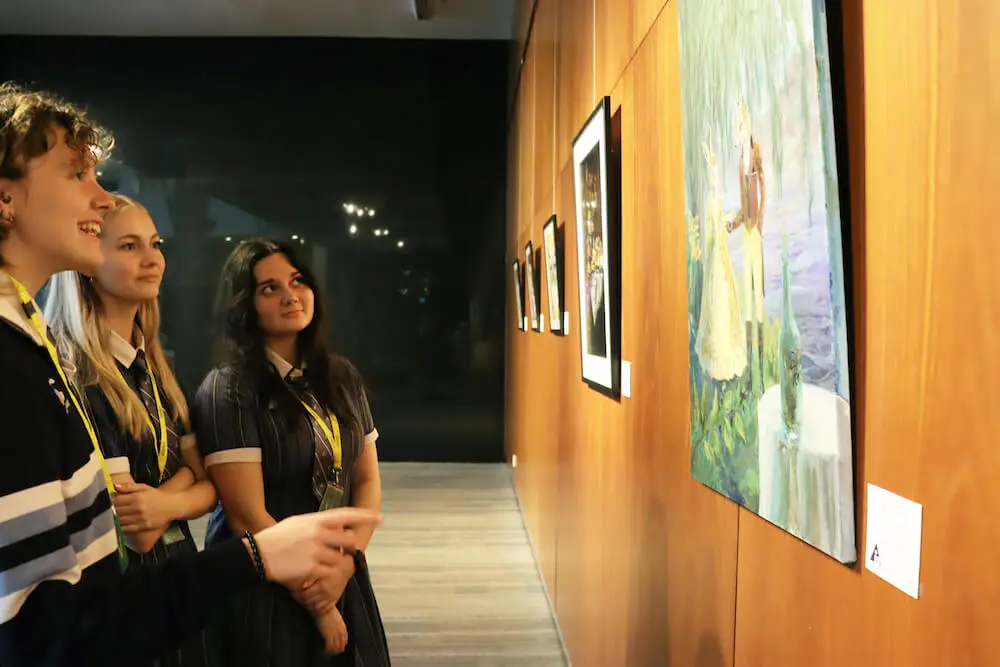


Young artists need real-world exposure, not just school-based showcases.
This means:
Showing work in community spaces, not only galleries
Participating in public-facing events
Engaging with people who are not artists or teachers
When a young artist explains their work to a passer-by, something important happens:
They learn to articulate value
They gain confidence
They understand audience response
Exposure is not about fame.It is about learning how art lives outside the classroom.
Step Two: Teach Market Literacy Without Killing Passion
Many adults fear that talking about money will “corrupt” young artists.
The opposite is true.
When money is never discussed:
Artists feel guilty for charging
Pricing becomes random
Exploitation becomes common
Young artists should learn:
How pricing works (materials, time, experience)
Why not every artwork should cost the same
The difference between commercial work, personal work, and collectible work
Understanding money does not reduce passion.It protects it.
Step Three: Start With Small, Honest Monetary Rewards
Young artists do not need instant success.
They need:
Their first sale
Their first commission
Their first paid workshop
Their first artwork someone chose with their own money
Even small amounts matter:
$50
$100
$300
These moments tell a young artist:
“What I create has value to someone else.”
That belief is foundational.
Step Four: Mentorship Beyond Technique
Most young artists receive plenty of technical training.
What they lack is guidance on:
Career paths
Portfolio development
Artist statements
Dealing with rejection
Balancing creativity with reality
Mentorship should include:
Practicing artists
Designers
Curators
Cultural producers
Community organisers
Not everyone becomes a full-time fine artist —but everyone should understand their options.
Step Five: Create Safe Platforms to Be Seen and Earn


This is where ARTISTRY SG plays a critical role.
ARTISTRY SG provides:
Community-based roadshows
Live art demonstrations
Shared-cost exposure opportunities
Public-facing engagement
A non-intimidating entry point into the art ecosystem
For young artists, this means:
Lower financial risk
Real audiences
Direct feedback
Opportunities to sell or be commissioned
It is not about pressure.It is about practice in a real environment.
Step Six: Shift the Mindset — Art as Contribution, Not Decoration
When young artists see their work:
Inspiring children
Beautifying public spaces
Sparking conversations
Connecting communities
They understand that art is not just personal expression.It is social contribution.
This reframes success:
Not just gallery acceptance
Not just awards
But meaningful participation in society
And meaningful participation is what attracts long-term support.
The Long-Term Goal: Sustainable Artists, Stronger Communities
Nurturing young artists is not charity.
It is:
Cultural investment
Community development
Creative economy building
When young artists are supported early:
They stay in the arts longer
They develop healthier expectations
They give back as mentors and contributors
A Final Thought
If we want young artists to thrive,we must stop asking them to choose between exposure or income.
They deserve:
Exposure with purpose
Income with dignity
Platforms with guidance
Communities with support
This is how we build not just artists —but a living, sustainable arts ecosystem.
And this is where ARTISTRY SG continues its work:quietly, practically, and together with the community.


