
How to Sell at Bank Art Fair —
- Jan 10
- 4 min read
What Works, What Sells, and How Artists Can Prepare Strategically


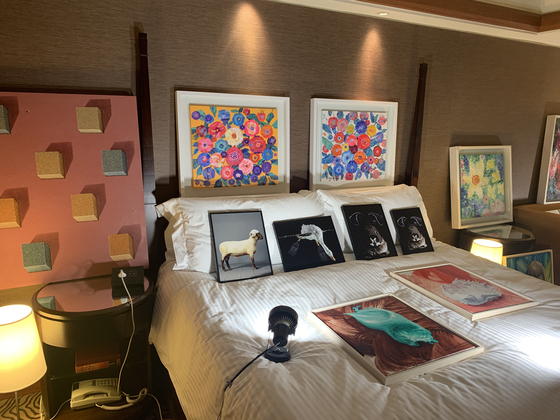
Bank Art Fair positions itself clearly with a bold statement:“Now I invest in ART!”
This single line already tells artists something crucial —Bank Art Fair is not only about artistic dialogue; it is about collecting, buying, and investing.
Held in a hotel-room exhibition format, Bank Art Fair creates an intimate, domestic viewing experience. Visitors don’t just look at artworks — they imagine living with them. This context shapes what sells, how artists should prepare, and how conversations should unfold.
Below is a fully integrated, practical guide — blending strategy, pricing, checklists, and communication tips — designed specifically for artists who want to sell without losing integrity.
1️⃣ What Kind of Artworks Sell at Bank Art Fair?
Bank Art Fair consistently shows a wide but curated spectrum of works:
✔ Works That Perform Well
Paintings with strong visual clarity
Small to medium-sized originals
Limited editions and works on paper
Mixed media with clear craftsmanship
Works that feel collectible, not confrontational
The hotel setting favours art that:
Reads well at close distance
Feels suitable for homes and offices
Sparks conversation without needing heavy theory
This does not mean decorative art only.It means clarity before complexity.
2️⃣ How Artists Should Think About Selling at Bank Art Fair
Bank Art Fair is best approached as:
A relationship-driven sales environment, not a one-shot gamble
Artists who succeed here understand three things:
Buyers move quickly
Emotional connection matters
Follow-ups are as important as on-site sales
This is where preparation makes the difference.
3️⃣ Sample Pricing Strategy Worksheet (Bank Art Fair–Ready)
Use this worksheet before the fair to structure your booth.
🔹 A. Price Ladder (Critical)
Tier | Purpose | Ideal Price Range (SGD) | Quantity |
Entry | First-time buyers | S$800 – S$1,500 | 4–6 |
Core | Main sales zone | S$1,800 – S$3,500 | 3–5 |
Anchor | Value signalling | S$5,000 – S$10,000 | 1–2 |
Why this works
Entry works lower hesitation
Core works generate most revenue
Anchor works establish credibility (even if unsold)
🔹 B. Artwork Selection Check
Ask yourself:
Can this work be understood in 10 seconds?
Does it represent my practice clearly?
Would I feel comfortable explaining it to a non-artist?
If “no” — it belongs in the studio, not the fair.
4️⃣ Checklist for Artists Exhibiting at Art Fairs
✅ PRE-FAIR CHECKLIST (Preparation)
Curate a coherent body of work (not everything you have)
Finalise pricing (no last-minute changes)
Prepare short artist statement (2–3 sentences)
Print clean labels (title, medium, size, price)
Prepare payment methods (PayNow, bank transfer)
Bring business cards / QR code
Practice explaining your work out loud
If you are nervous explaining your work, buyers will be nervous buying it.
✅ DURING-FAIR CHECKLIST (Execution)
Stand or sit forward — not behind your phone
Make eye contact, smile, be open
Let visitors look first, then speak
Explain why the work exists, not just what it is
Listen more than you talk
Never apologise for your price
Most important:👉 Collect contacts (this is where real sales begin)
✅ POST-FAIR CHECKLIST (Where Sales Actually Happen)
Follow up within 3–7 days
Send images of discussed works
Offer studio visits (very effective)
Thank visitors — even non-buyers
Update collectors on future works
Many Bank Art Fair sales happen after the fair, not during.
5️⃣ Interview & Conversation Tips That Convert Visitors into Buyers
🔹 What to Say (and How)
Instead of:
“This piece is about…”
Try:
“What caught your attention about this piece?”
This invites emotional ownership.
🔹 3 Questions That Work
“Do you usually collect artworks?”
“Is this for home or office?”
“Would you like to see how this looks in different sizes?”
These questions:
Reduce pressure
Reveal buying intent
Open the door to commissions
🔹 What Buyers Want to Hear
Why you made this work
How long it took
What materials you used
How it fits into your practice
Avoid:
Art jargon
Long theory
Over-explaining
Confidence is calm, not loud.
6️⃣ Why Roadshows Are the Best Preparation for Bank Art Fair
Platforms like ARTISTRY SG use roadshows as training grounds before fairs.
Roadshows help artists:
Test which works attract attention
Understand real buyer reactions
Refine pricing
Practice conversations naturally
Artists who do well in roadshows almost always:
Sell more confidently at Bank Art Fair
Present more clearly
Price more realistically
7️⃣ Final Strategy: How to Make Bank Art Fair Work for You
Think in this order:
Roadshows → Buyer Feedback → Pricing Confidence → Bank Art Fair → Collector Relationships
Bank Art Fair rewards artists who:
Are prepared, not hopeful
Are clear, not complicated
Are open, not defensive
Final Reflection
Selling at Bank Art Fair does not mean selling out.
It means:
Translating your practice
Respecting your audience
Valuing your work clearly
When artists combine:
Structured pricing
Honest conversation
Post-fair follow-ups
Bank Art Fair becomes more than an event —it becomes a repeatable income and relationship platform.
And that is how artists build careersthat are both sustainable and sincere.


